
Heroes of Might and Magic on PS2: how I found a game in the yard that I forgot about for 15 years
Did you know that the PlayStation 2 game Heroes of Might and Magic: Quest for the Dragon Bone Staff was released — a console spin-off, not a port of the classic strategy?
These are not the usual Heroes, but a completely different genre — the game is more reminiscent of King's Bounty (1990) than the strategy we are used to seeing. You can probably even call it a remake. But this is not surprising, because the game was created by the same developers, including John Van Canegem himself, the founder of New World Computing and the creator of the original King's Bounty.
Context and background
As I mentioned earlier, New World Computing itself worked on the console version, the publisher was The 3DO Company. The game was released on April 17, 2001 in North America and on June 1 in Europe, that is, between the additions to the third Heroes and the release of Heroes of Might and Magic IV (2002).
The reason for this decision is understandable: PS2 was booming at that moment, and tactical turn—based strategy was a genre that sold poorly on consoles of that time and felt bad without a mouse with a keyboard. Instead of trying to transfer a cumbersome strategy to the gamepad, the team decided to go the other way and return to the roots under the new wrapper of the Might and Magic world.
The first acquaintance
The first time I saw the game in the "Console Club", when I was about 10 years old. It was a place where the whole neighborhood gathered — just a small one-story private house, 8 TVs in one row and a long bench. In summer we played under a canopy, and in winter — in the hallway of the house. An hour of play then, I remember, cost 10 rubles on PS1, 15 rubles on PS2. Everyone, of course, mostly played arcade games: racing, Mortal Kombat, Tekken — but older guys sometimes launched a game where a horse ran and there were some turn-based battles. I didn't understand what it was, I didn't even know the name, but it was very interesting. Later I found out that the game was called "Heroes of Might and Magic: In Search of a Staff of Dragon Bone".
Return to the game
I've been playing Heroes of Might and Magic 3 PvE cards (SoD and HotA) for several years now, watching streamers: LC, SandBro, Uvagaemaya and others. On one of the broadcasts, there was talk about retro games, and I remembered a game from my childhood. I decided to find it and play — the benefit of emulators now allow it.
Plot and world
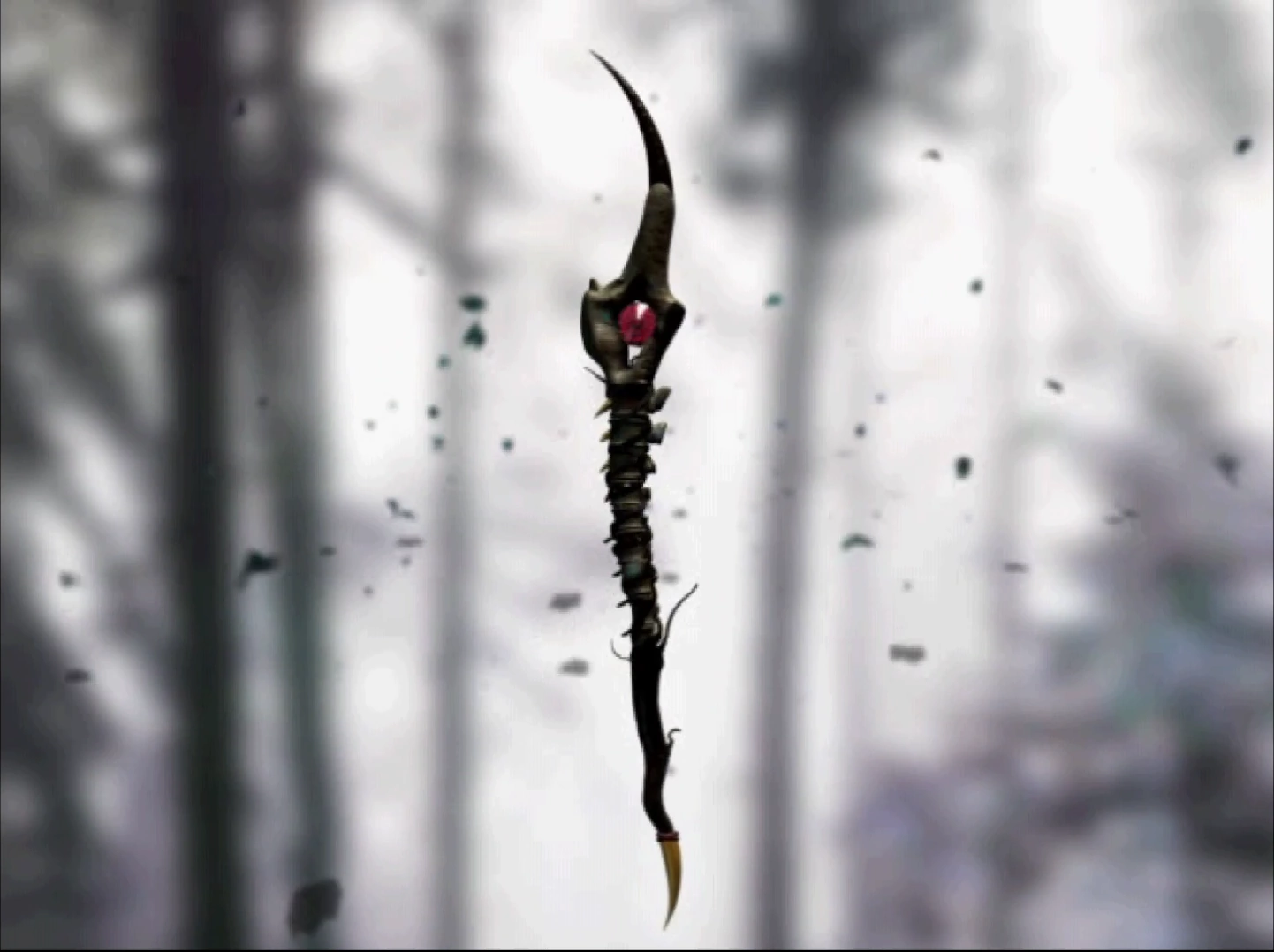
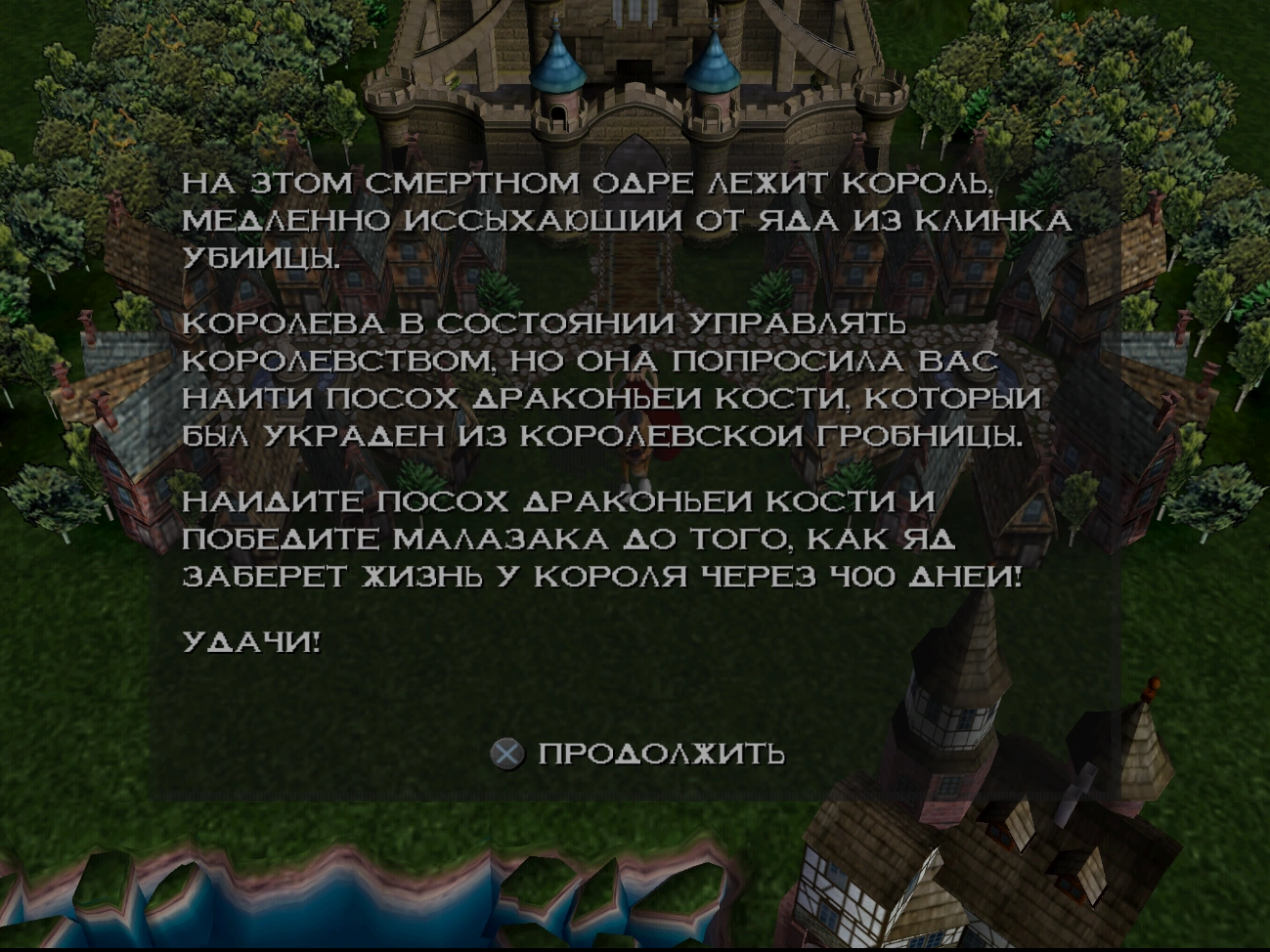
The plot of the game and the main quest are quite simple. At the beginning of the game, we are greeted by a canvas with a text stating that the king was wounded with a poisoned dagger. To save him, you need to find a Staff of dragon bone, which was stolen from the royal tomb, and defeat Malazak. I also understand that the staff is magical and can save the king, but history is silent about why it is necessary to kill Malazak for this.
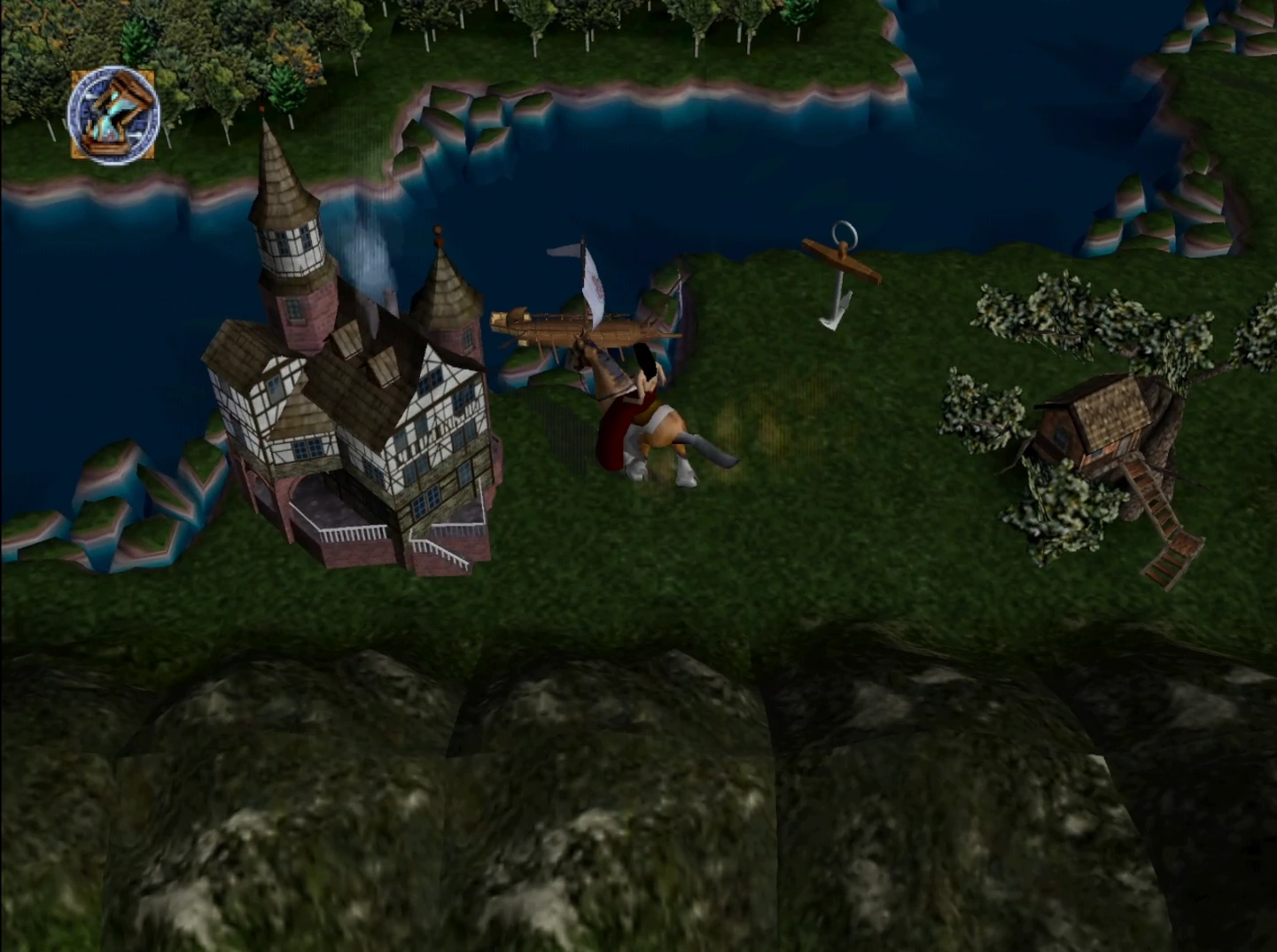
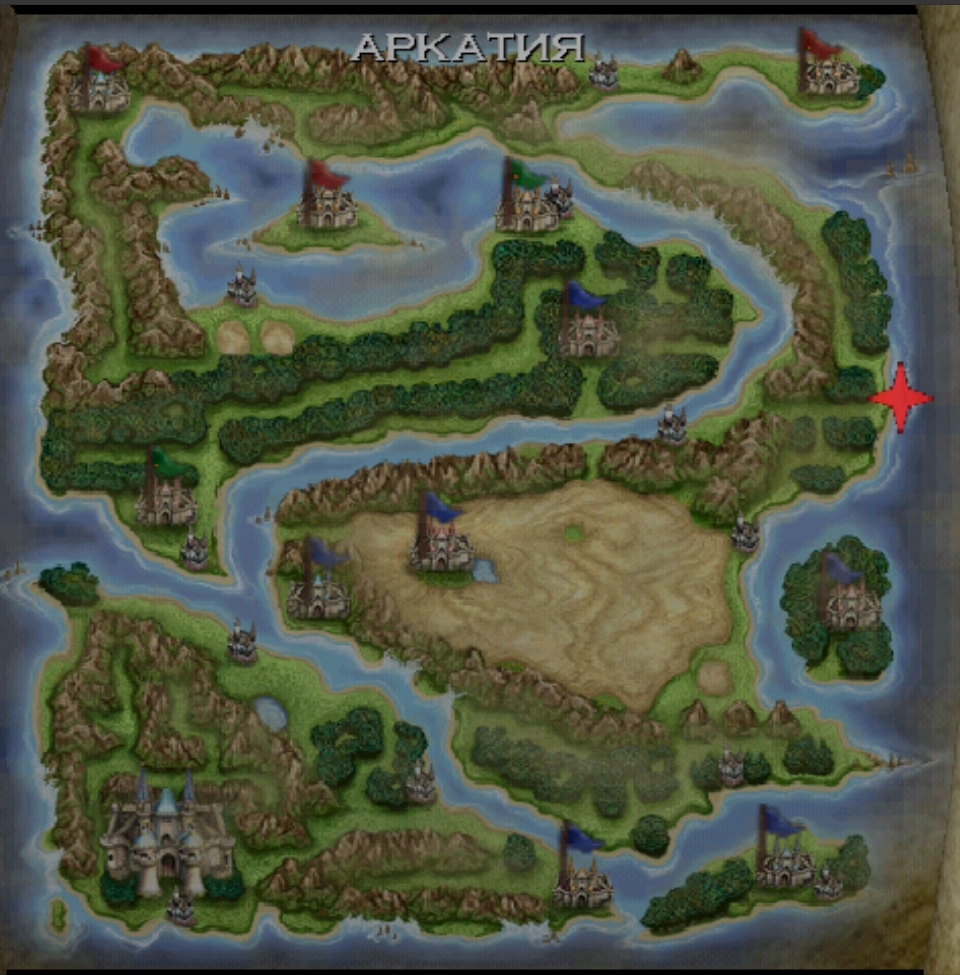
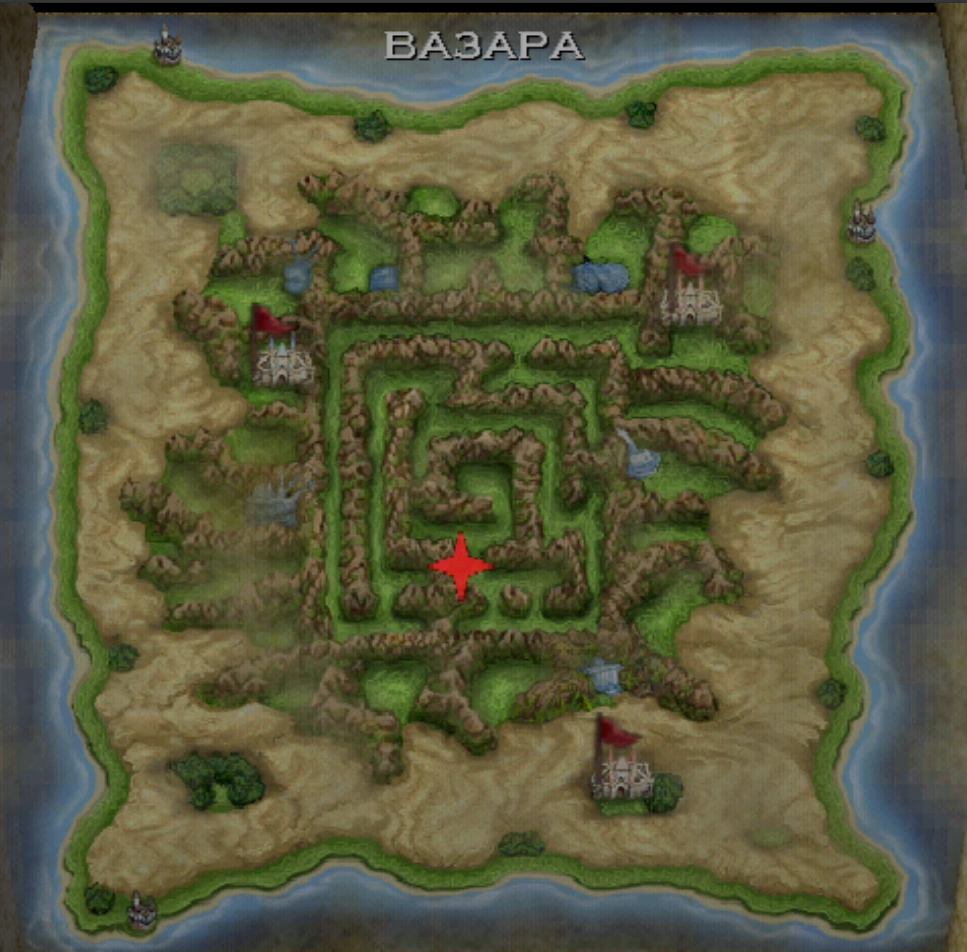
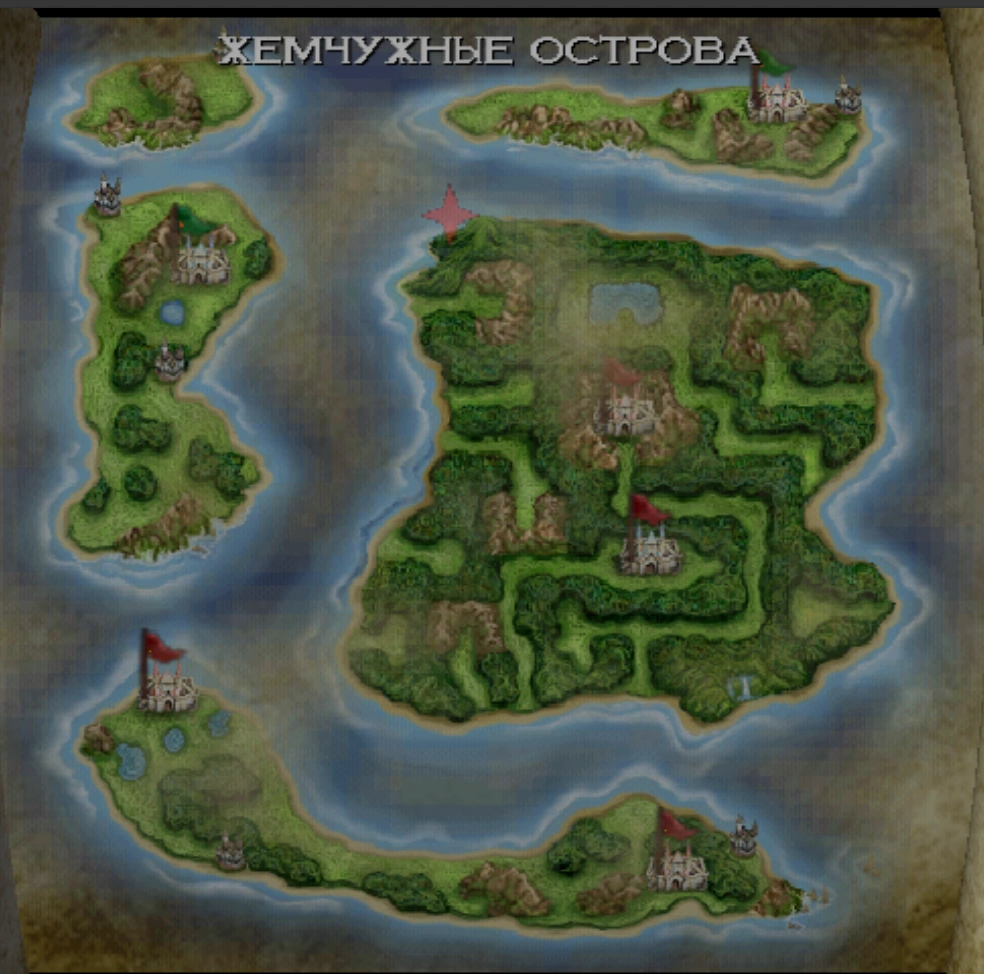
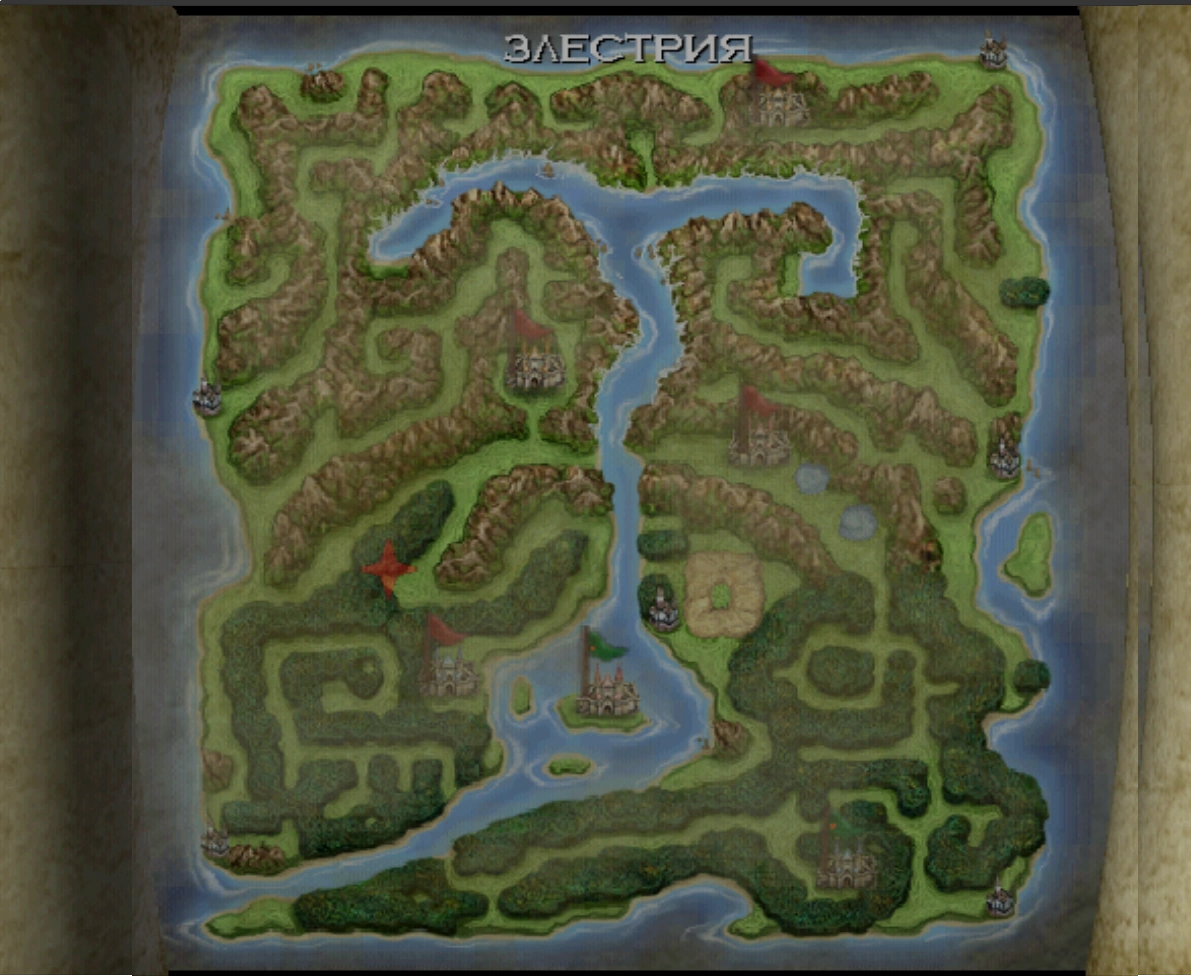
The world is represented as several continents with their own islands. We are starting on the continent of "Arkatia". Enemies roam the map in the form of neutral creatures, and chests with resources and artifacts can also be found. To get to another continent, you need to find a map — it is hidden in random chests. In "Arkatia" we find a map of the next continent — "Zlestreya". Accordingly, the game then takes us to the "Pearl Islands", and from there to the last continent of "Vasara ", where the main villain is sitting. The further we go, the stronger the enemy armies become, the range of units increases. In the beginning we could meet dwarves and wolves, and in the end we are already fighting dragons.
Game mechanics
# Basics
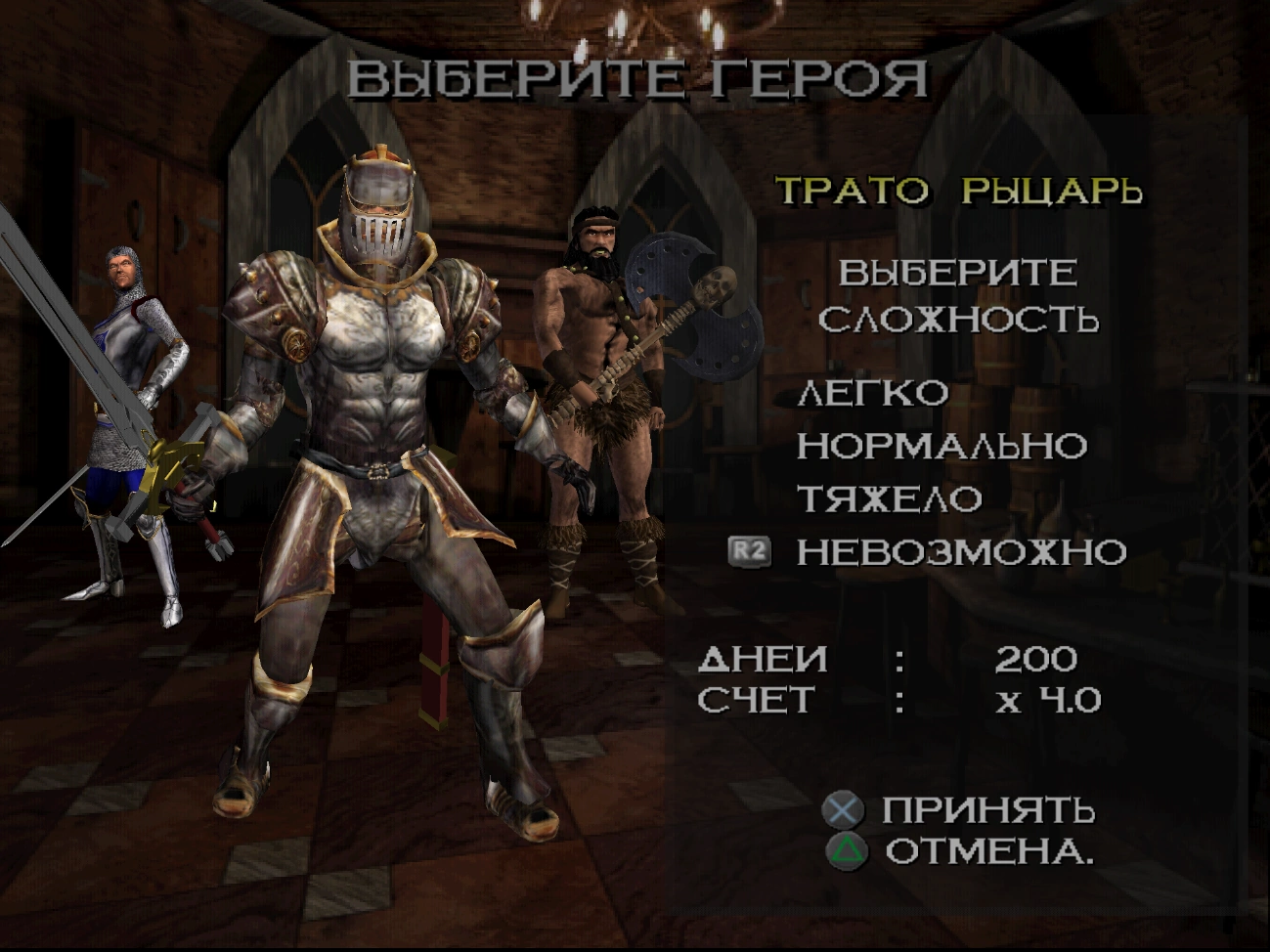
To complete Heroes of Might and Magic: Quest for the Dragon Bone Staff, we are given time — the number of days for which we must complete the main quest. The higher the difficulty, the fewer days are given for the adventure: from 900 days on easy difficulty to 200 on maximum. The difficulty only affects the time we have to save the king.
Only castles and taverns are static in the game. All other objects — chests, artifacts, enemies, unit nests and their contents — are always random when the game is started again. If you have completed the game once, the second playthrough will be different.
# The main character
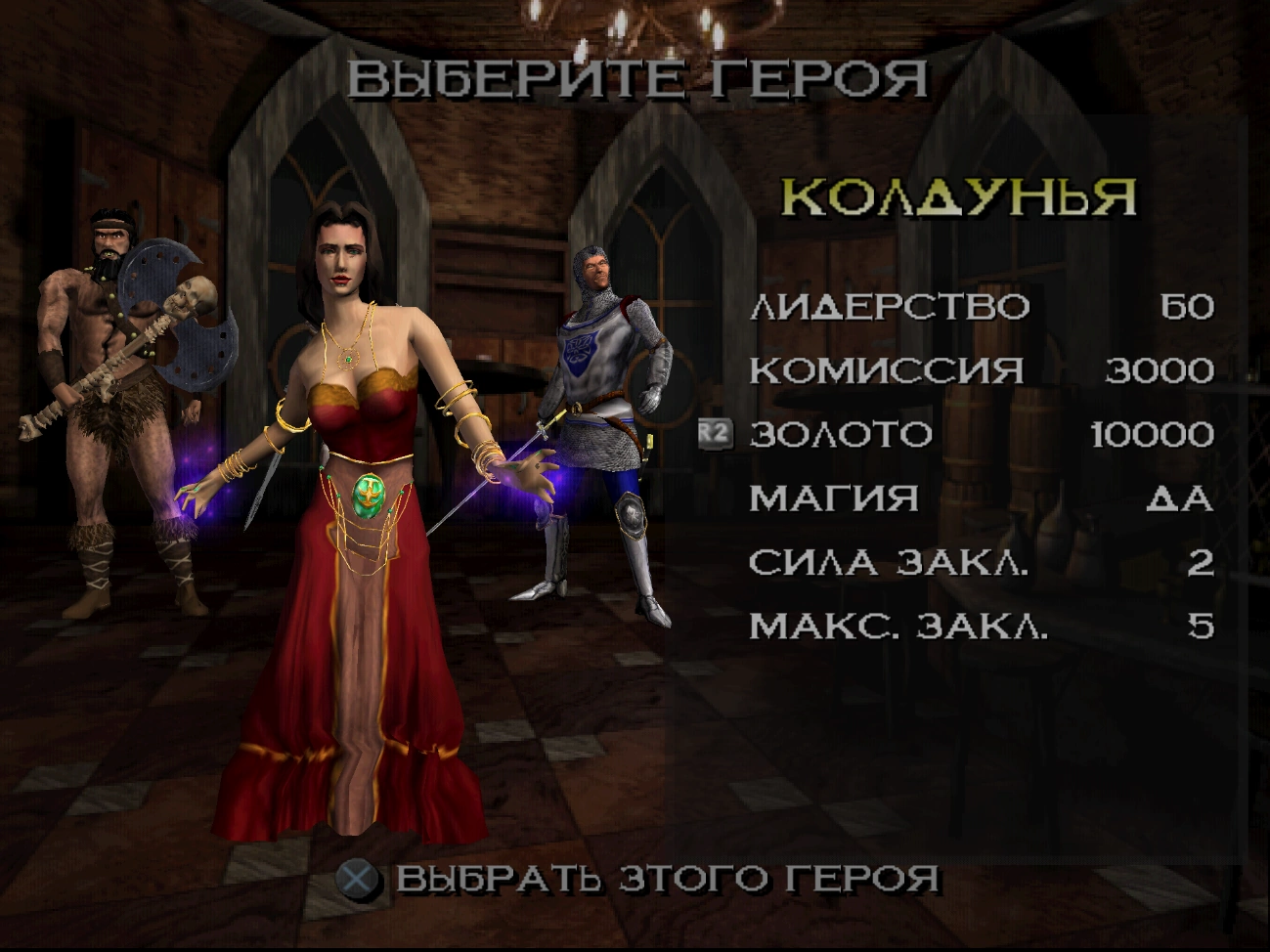
Before the game starts, we are given a choice of 4 classes: Knight, Paladin, Barbarian, Sorceress. Heroes don't have the usual stats like attack, defense, and knowledge. Heroes differ in the following parameters:
- Leadership — affects the number of army that can be hired.
- The commission is our "salary", the base rate that the queen pays us once a week.
- Gold is the starting gold with which we start the game.
- Magic — yes or no. Only the Sorceress has a book of magic at the start, and only she has additional characteristics.
- The power of the spell — the damage of shock magic depends on it.
- Max. spells — the number of scrolls we can have in the inventory. There is no classic spell book in the game, everything is only through scrolls.
# Army
We can hire an army in the initial castle and in the nooks on the map. The number of creatures in the holes is limited and is generated when the game starts.
If the hero has 100 leadership, he can conditionally hire 10 shooters, since they have 10 health, or 50 militia with 2 hp health each. We have 5 slots in total, and no UNITS!
We cannot divide the army or change the order of units when we go into battle. But we can dismiss the stack or leave it in the captured castle — through the castle you can change the order of the troops. However, for some reason it costs money to leave the army in the castle, and not small.
# Units
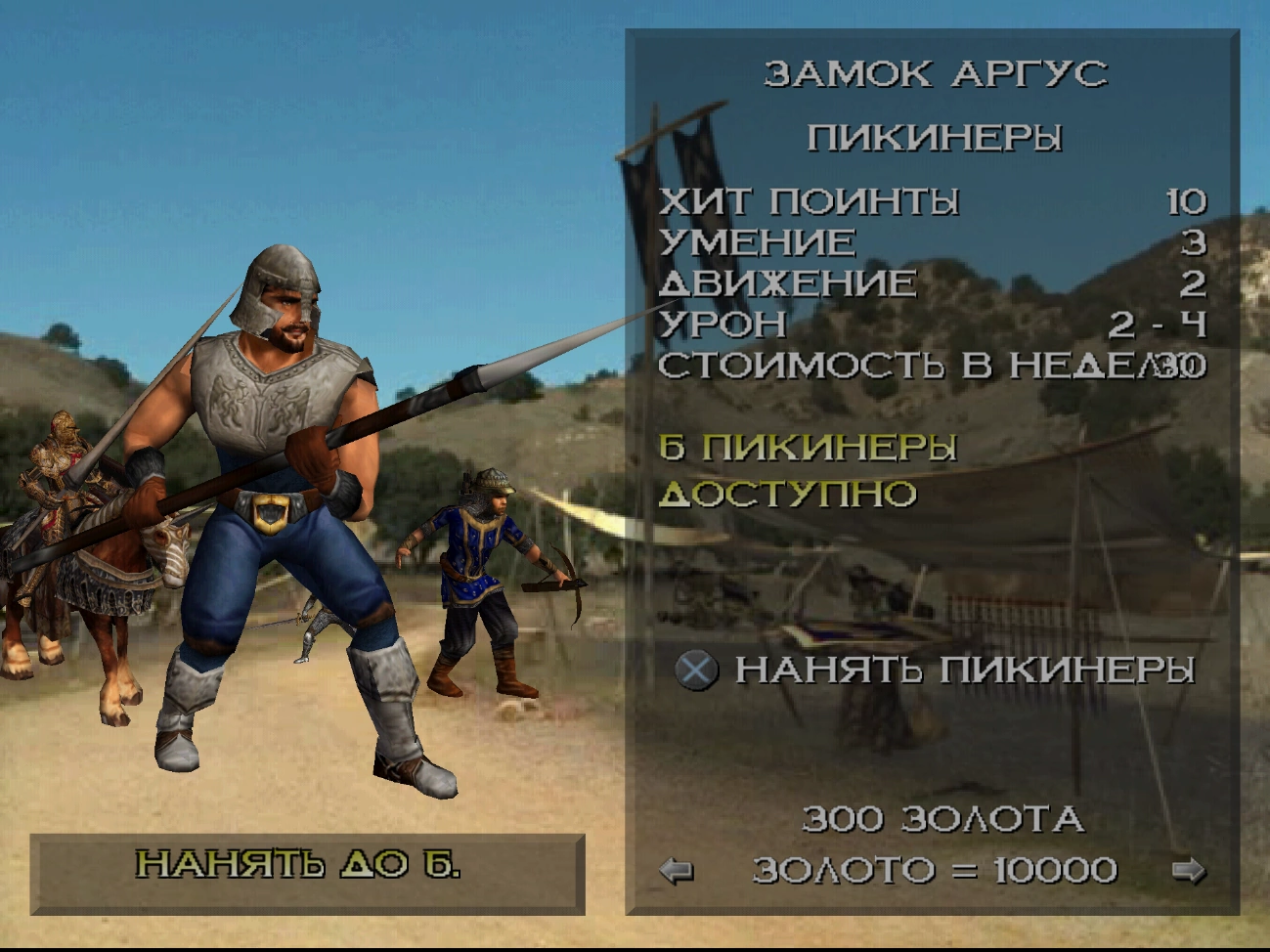
Each unit has its own parameters:
- Health
- Skill, he's a shooting gallery of troops
- Movement — Action points: if the movement is 2, the unit can pass 1 cell and hit
- Damage
- Cost per week — every week we pay a salary for the army
# Shooting gallery of troops
The game has a strong penalty or damage bonus system — it depends on the difference in shooting ranges. For example, the militia (2 shooting gallery) will beat the gnome (3 shooting gallery) about 20% weaker. The bigger the difference, the bigger the penalty.
#Fight
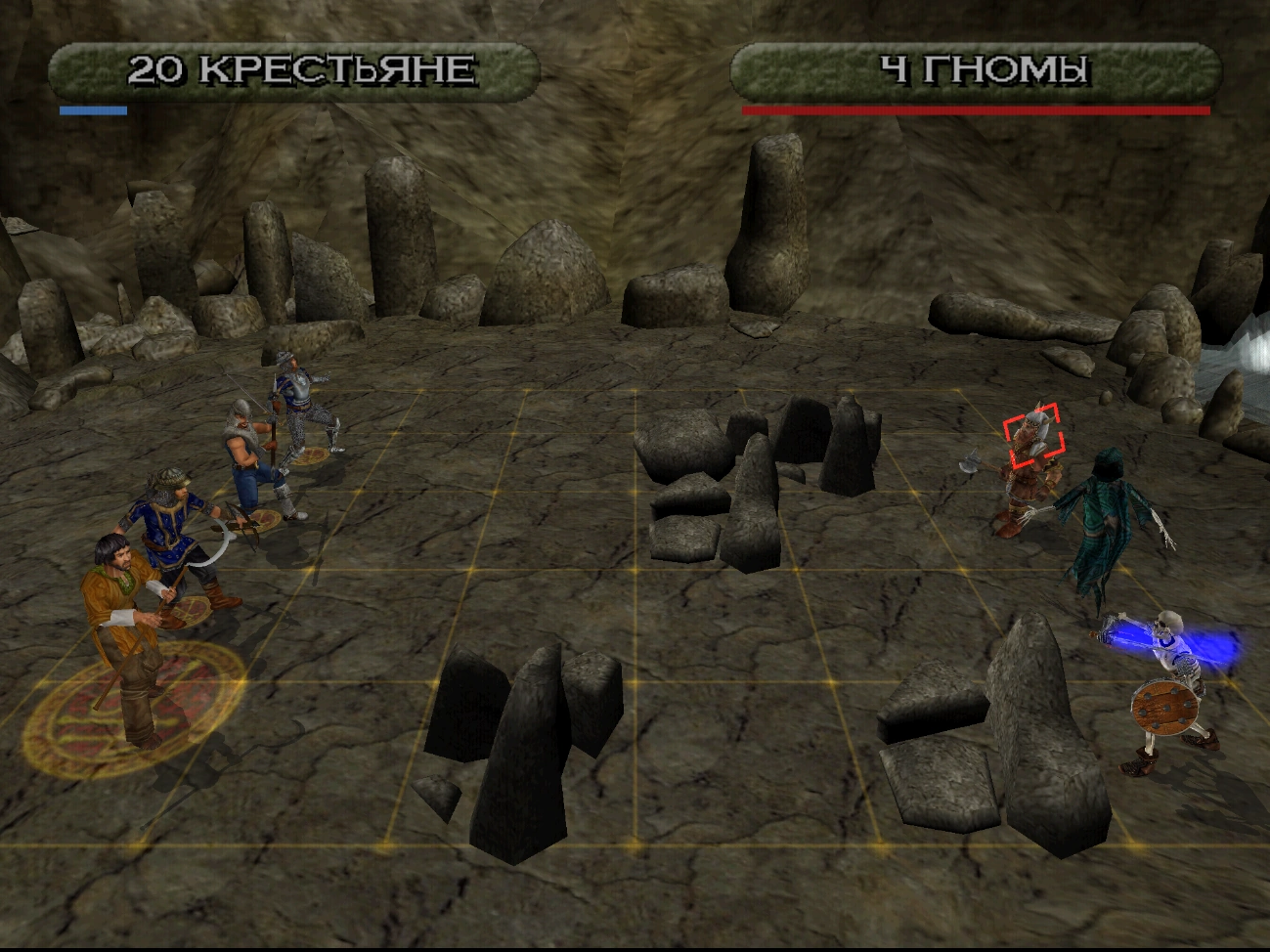
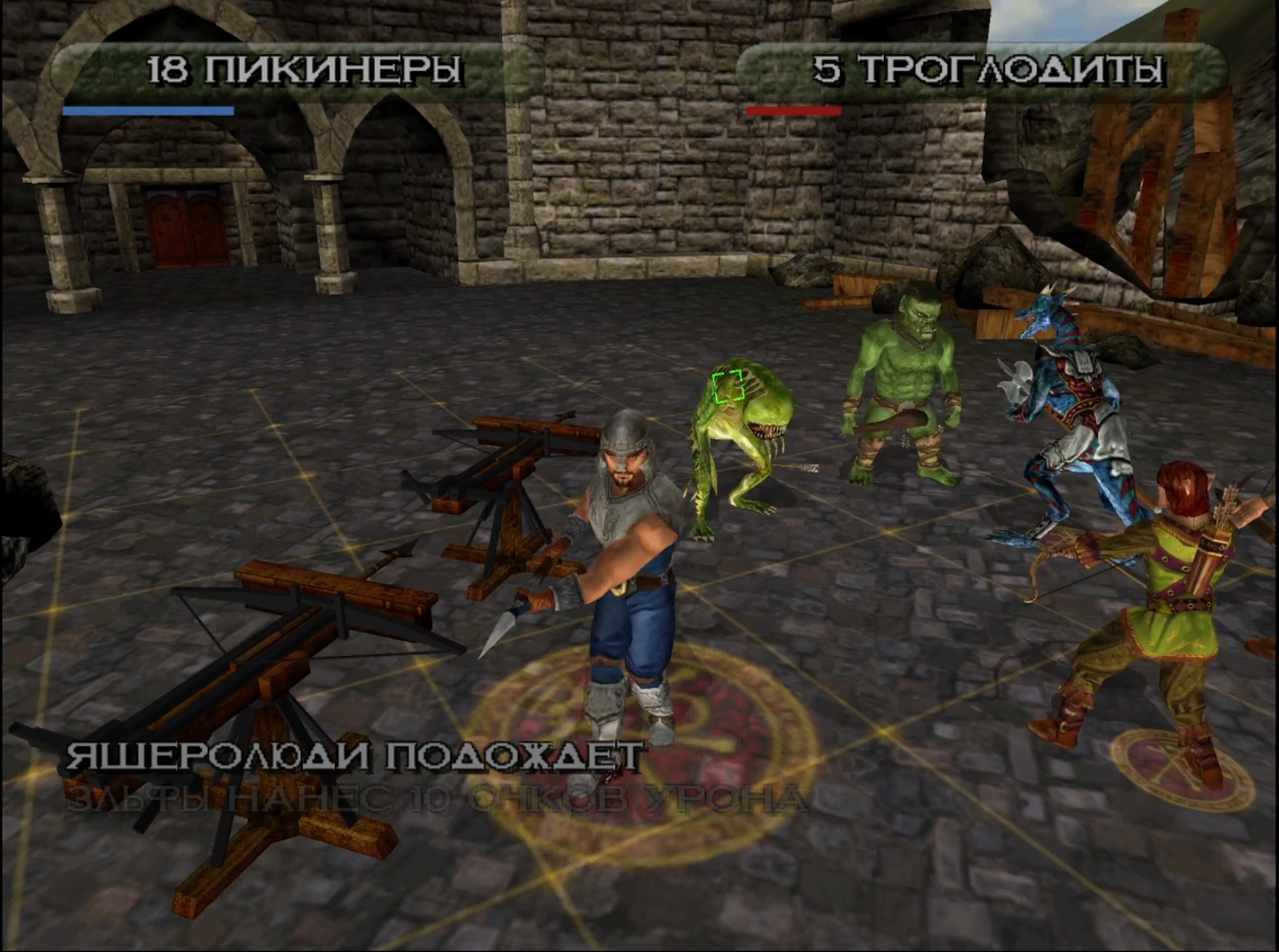
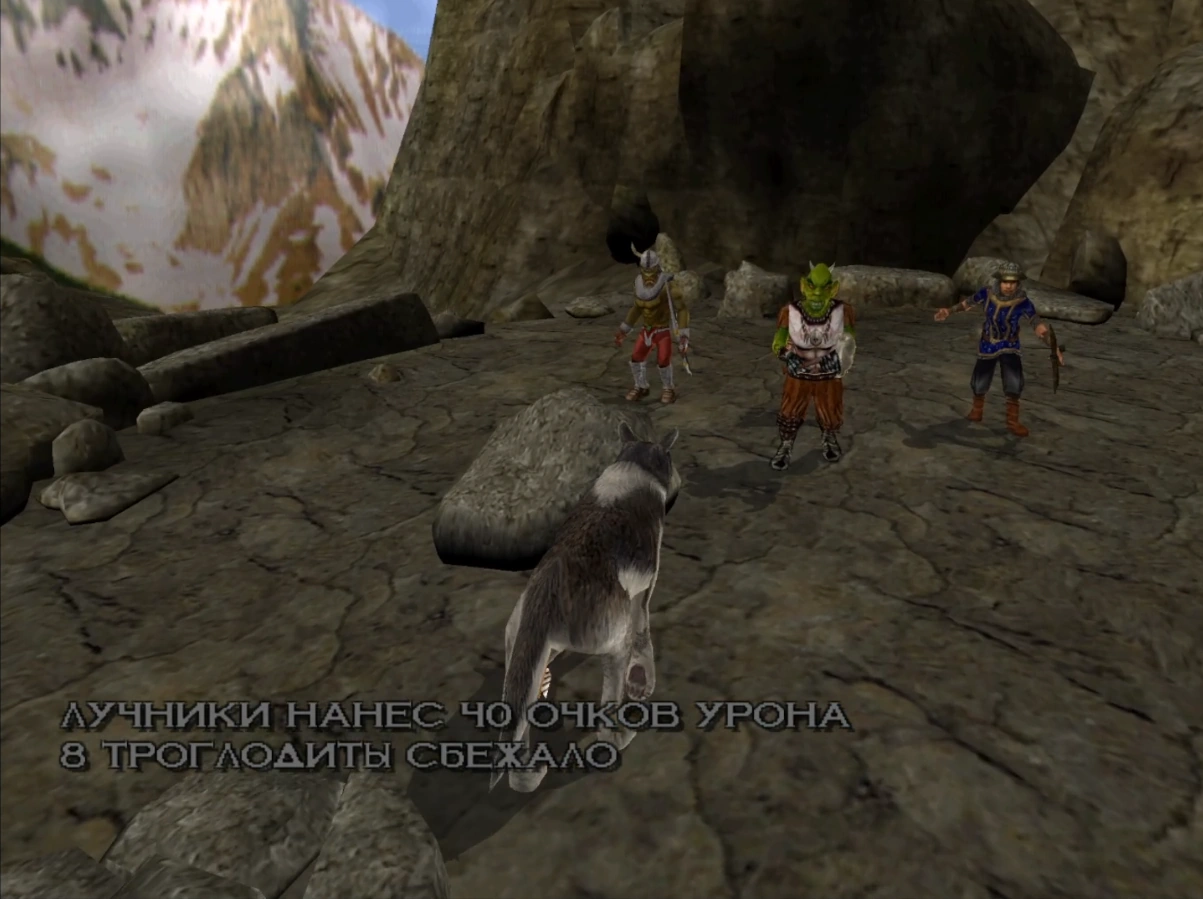
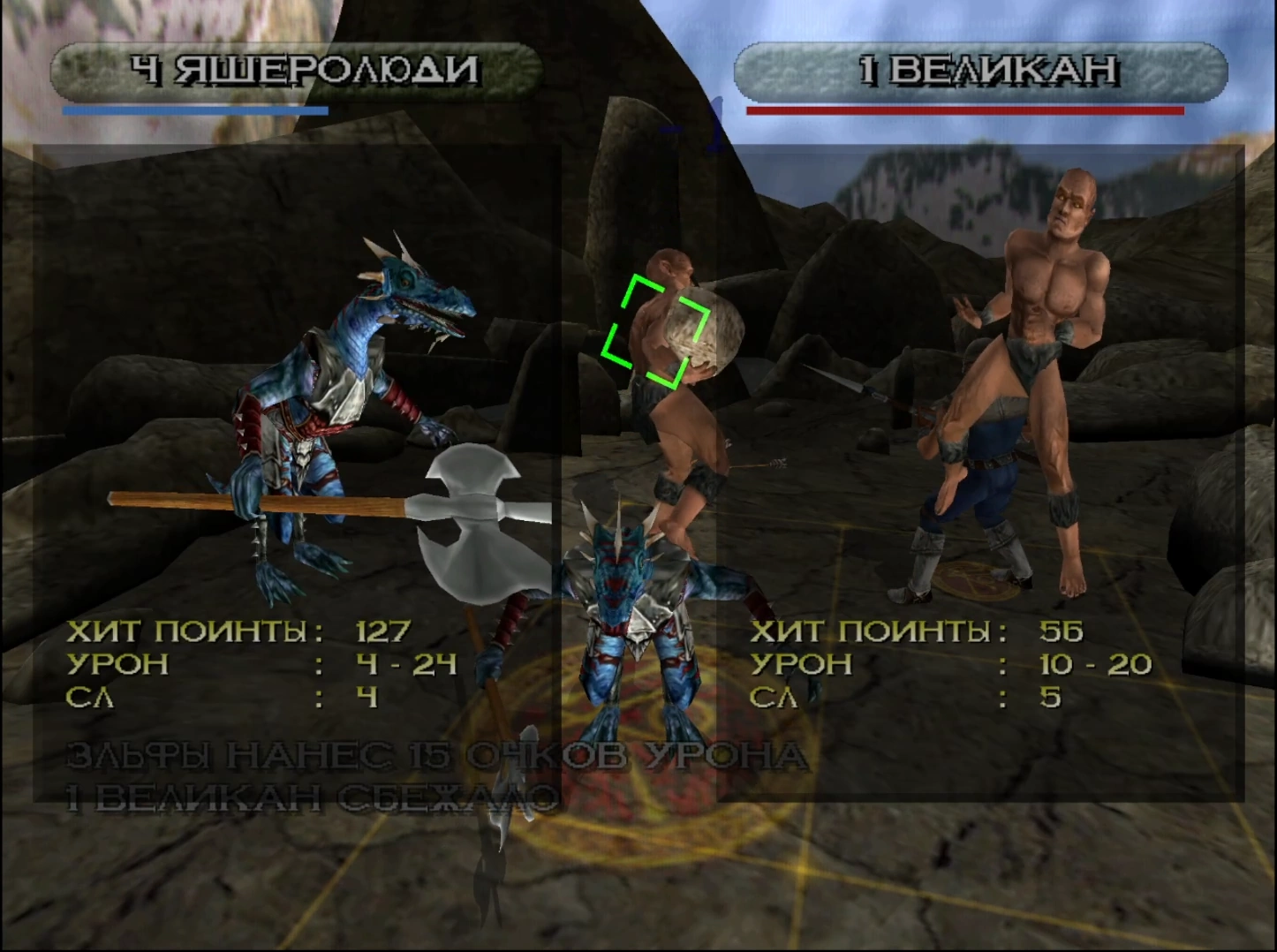
The logic of the battle is greatly simplified. We always have the initiative of the first move — all our units go first, then the enemy. Even if we pressed Wait, we still have to go on our turn — double Wait equals skipping a turn. The battlefield is small, 5 by 6 cells, you can walk and hit diagonally. The unit always receives retaliatory damage in close combat, even if it deals a fatal blow itself.
# The mystery map
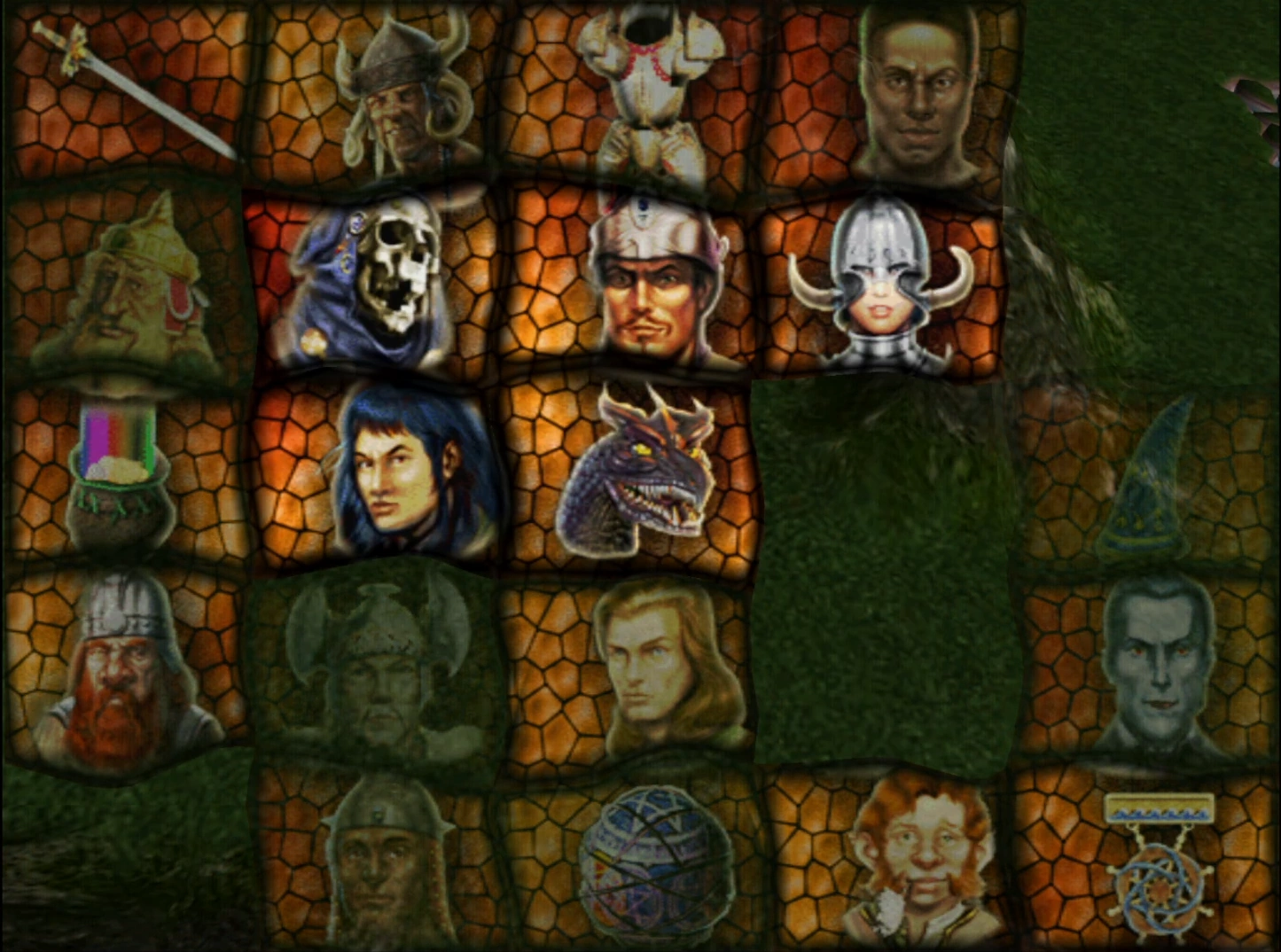
The game has a well-known mystery map — only to open it, you need to defeat villains and find artifacts. In the center of the map is a mark where the Dragon Bone Staff is hidden.
#Contract system
There are taverns scattered around the world where you can get a contract for a " villain". They are always sitting in different castles; to find out where the enemy you need is, there is a special spell " Find the villain" — or you can look into each enemy castle yourself. Their army is not growing: all enemies already have a static composition of troops from the start. If we capture the castle with the villain without taking the contract, he will escape to any free castle, but he will have no army at all.
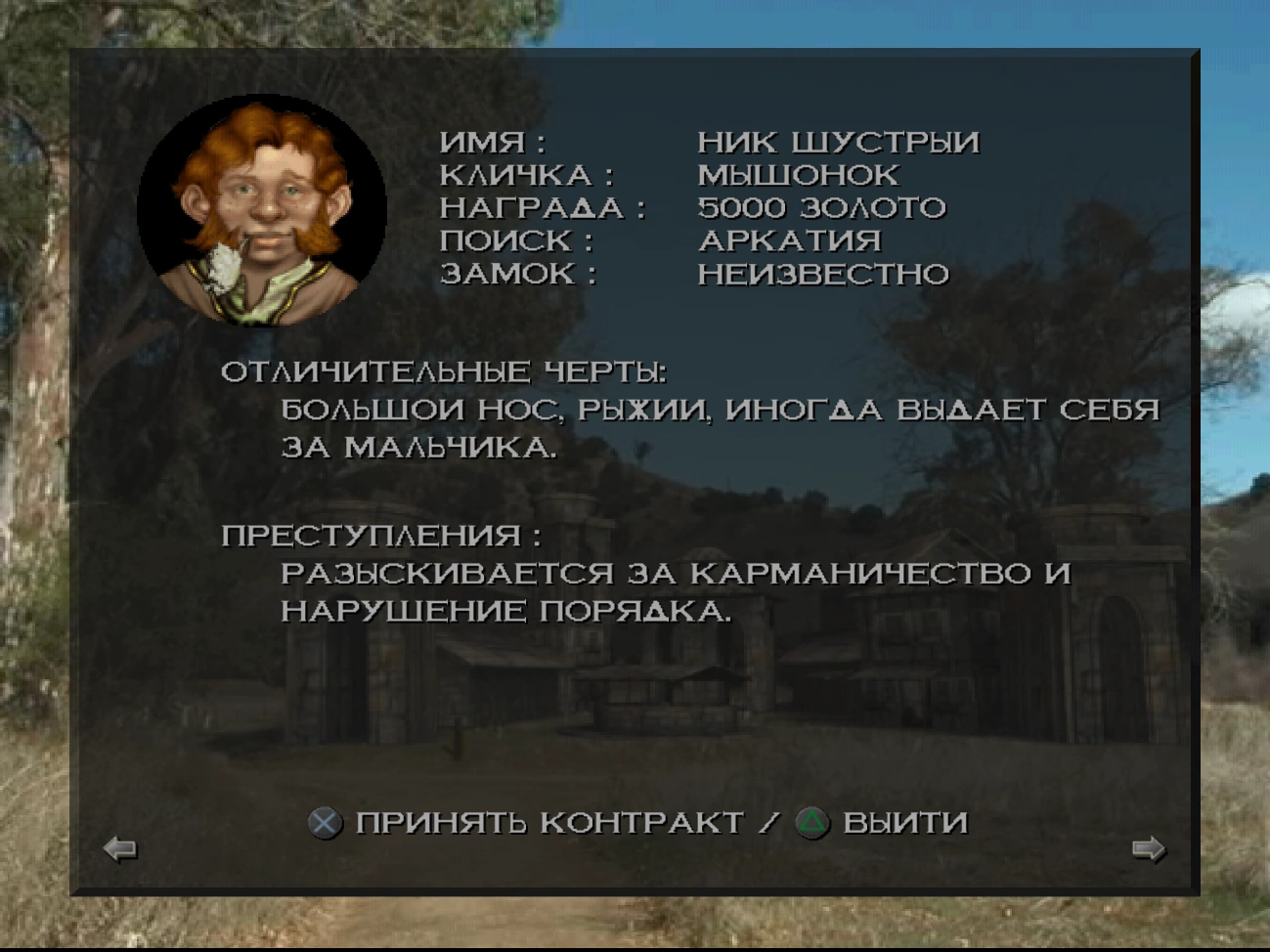
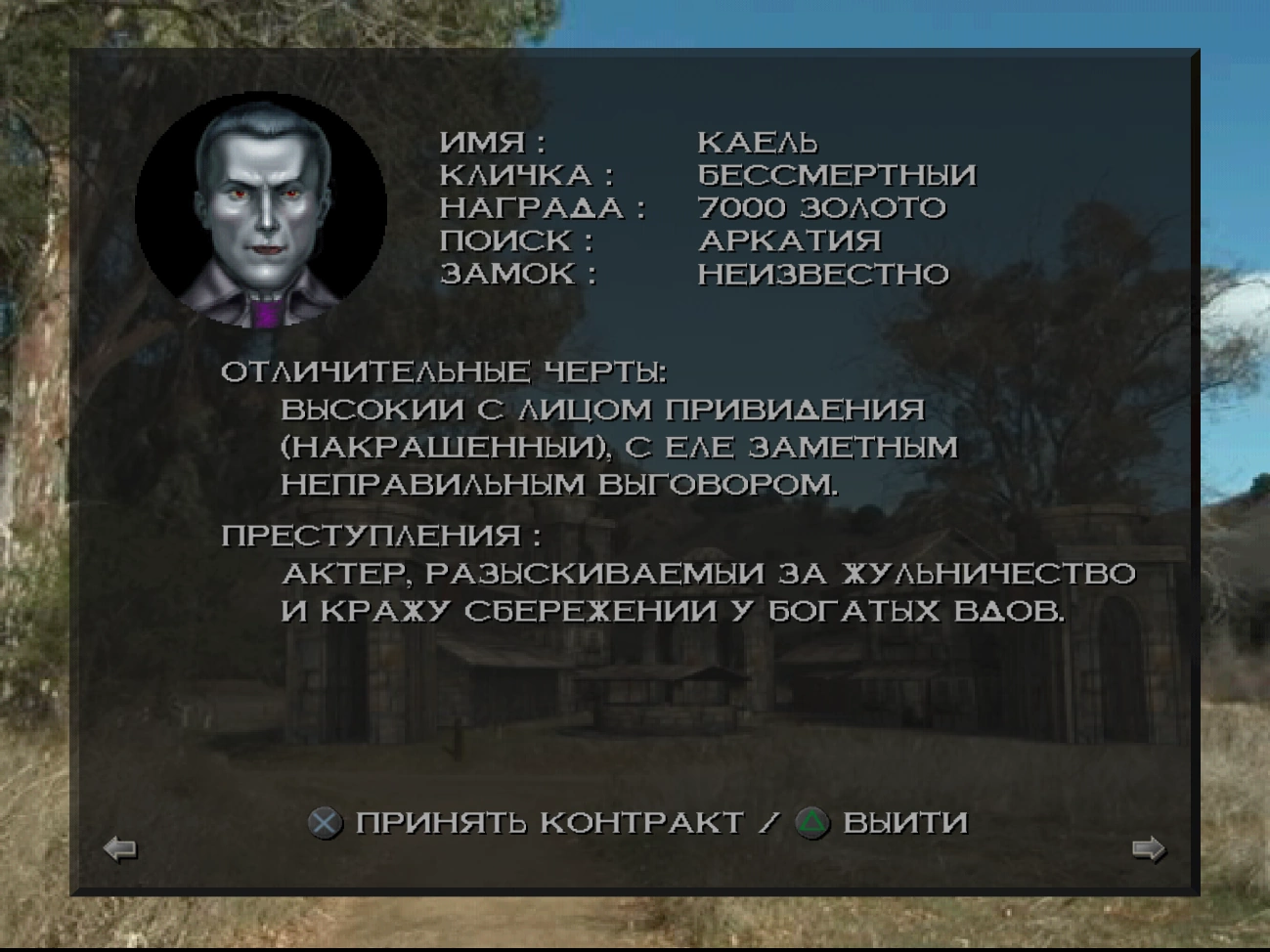
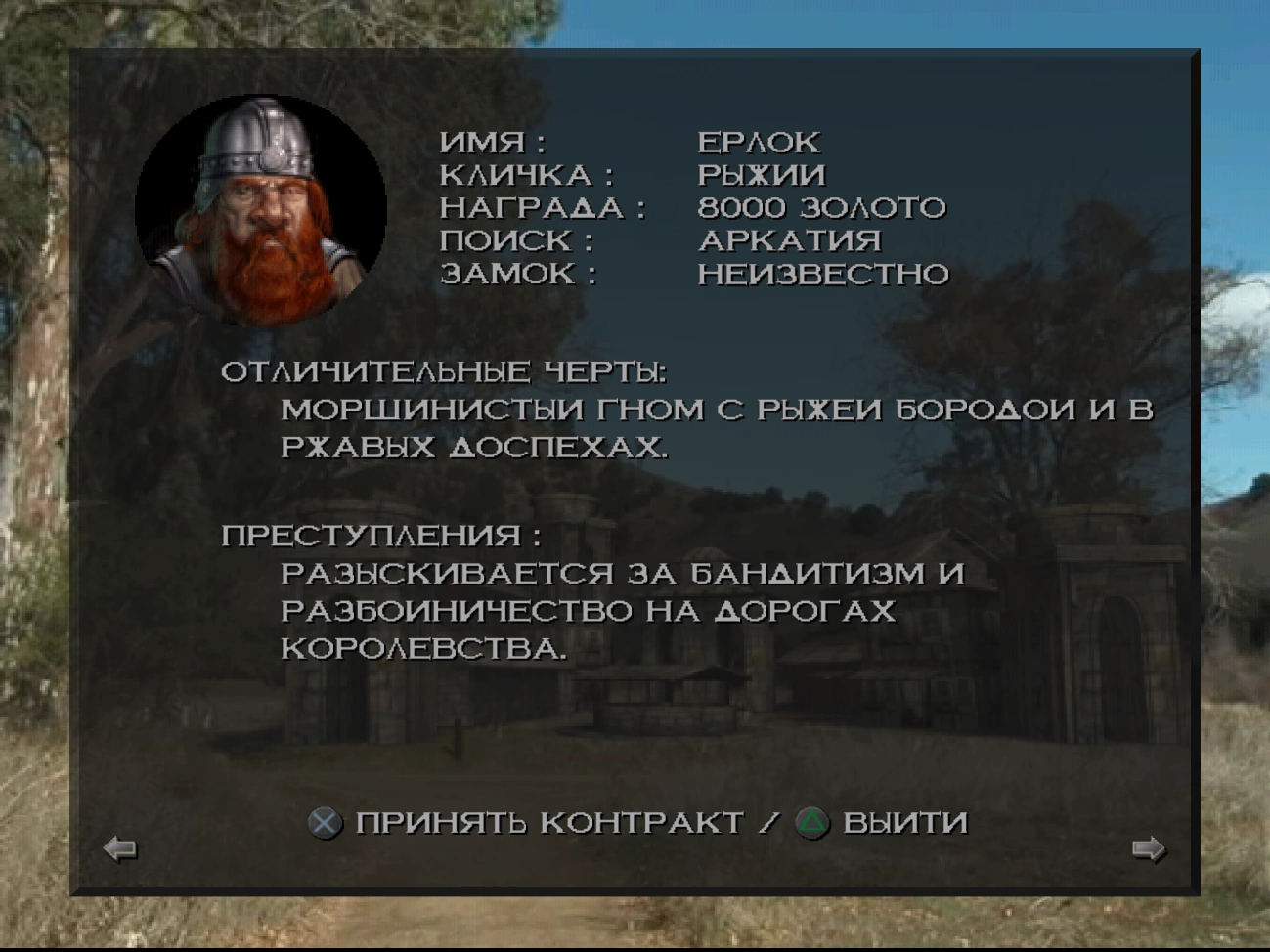
Also, the queen raises us for every 5 bandits caught — raising increases the speed of movement on the map, gives leadership and the power of magic.
#Artifacts
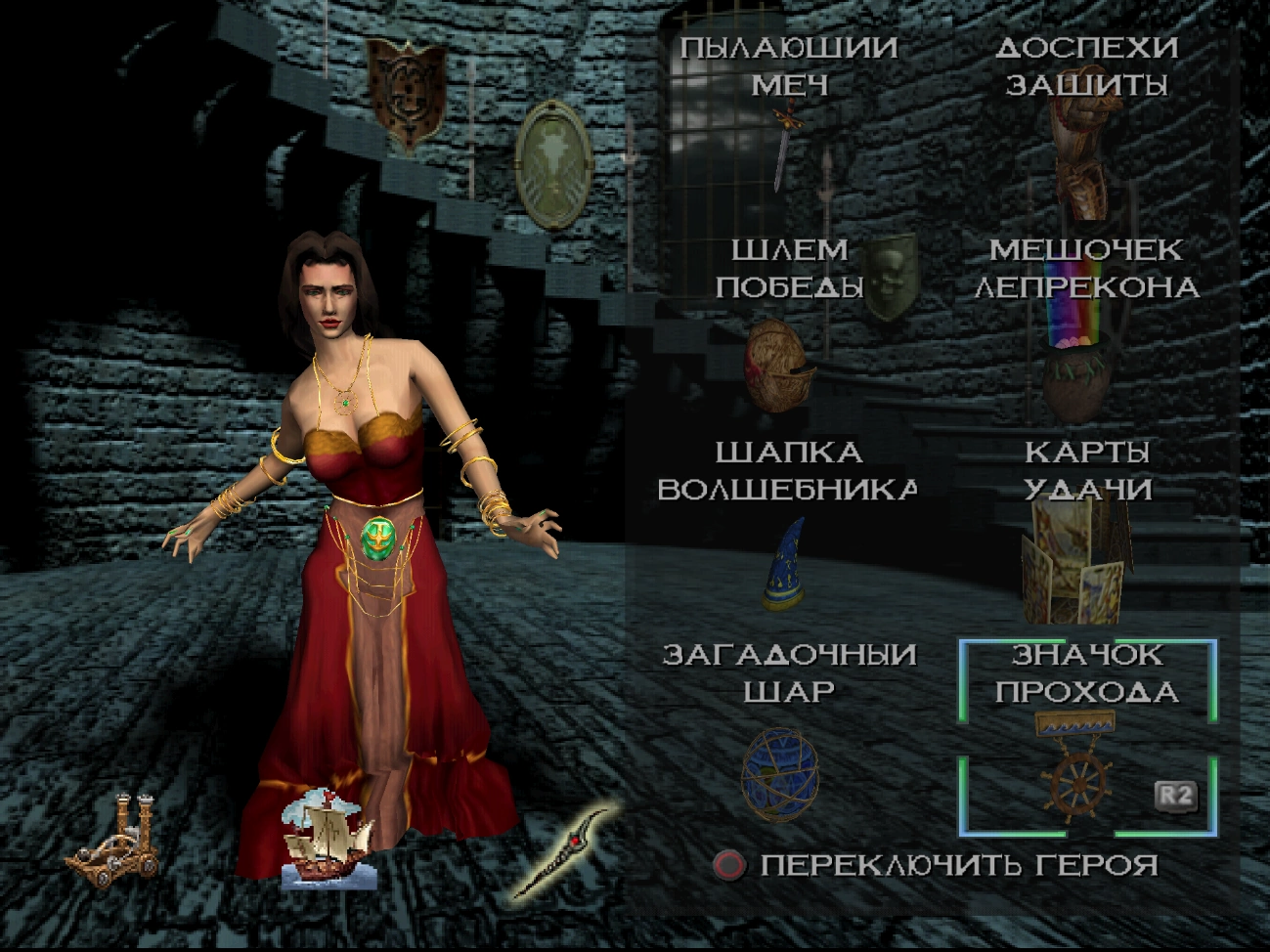
Artifacts often lie simply on the floor unguarded, and each find also unlocks a puzzle card cell. There are both useless ones — for example, an artifact that reduces the cost of hiring a boat from 500 to 100 gold — and very significant ones, like a Victory Helmet (doubles all leadership) or a Flaming Sword (increases all damage by 50%).
# Magic
The game has hiking and combat magic.
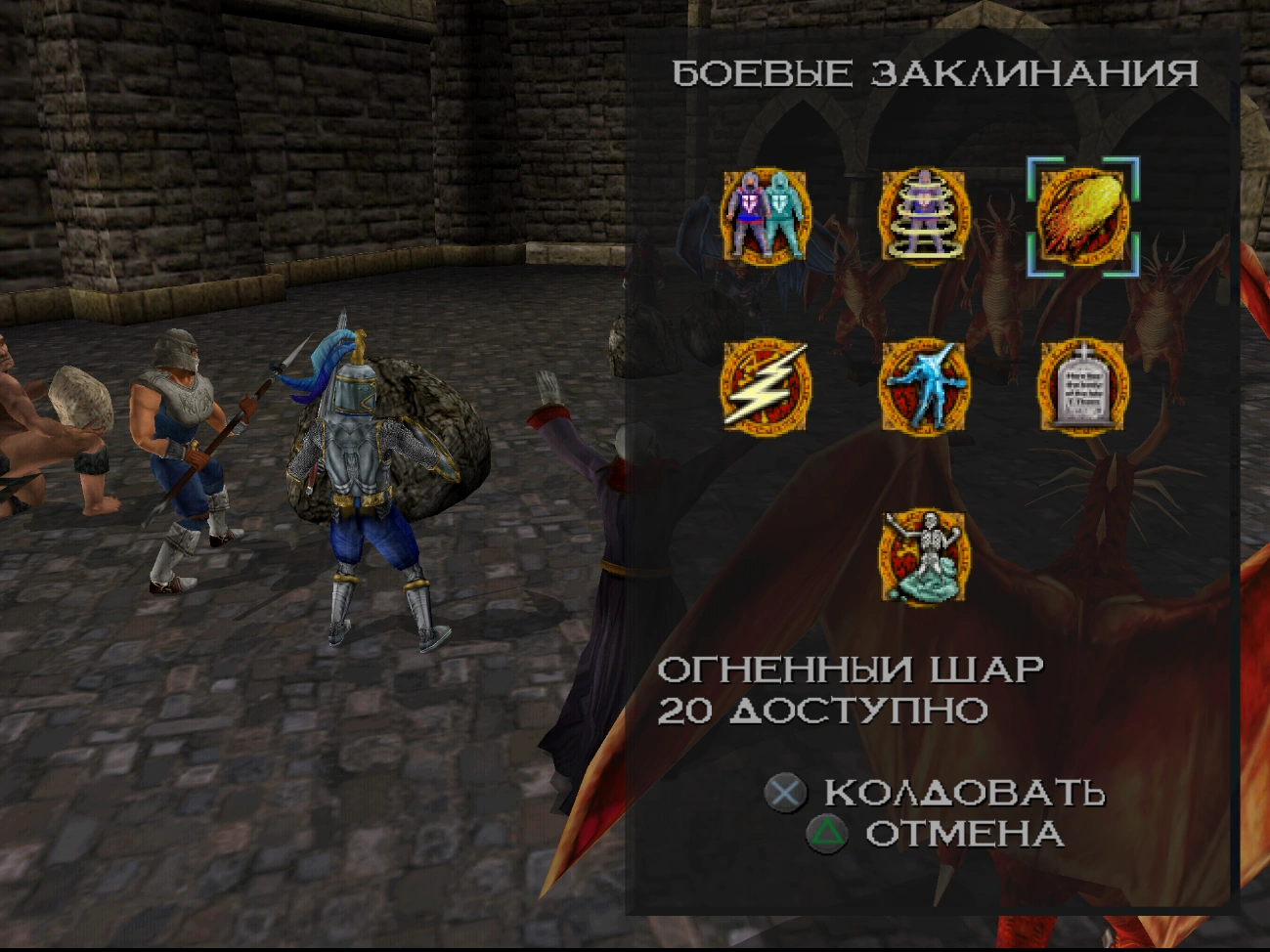
From the combat I want to note:
- "Freeze" — freezes a unit for 1 turn.
- "Teleport" — you can throw a fat unit with 1 speed directly to the enemies.
- "Fireball" is a strong shock magic.
- "Undead Decomposition" — hits all undead on the battlefield, stronger than "Fireball".
Useful Marching Spells:
- "Castle Gate" / "City Gate" are two different scrolls: the first one takes you to any castle that we have already visited, the second to the nearest tavern.
- "Stop time " is the most imba—ability that breaks the mechanics of time, salary and other things. We use a spell, and time stops in the game — we can stop it as many times as we want. The only time the time stop will reset is if we cross to the next continent by boat. With the help of the "Gates of the city", you can move between continents, and time will always be on the " stop". I also remembered the moment: the timer will also reset after trying to dig out the staff.
Graphics and sound
The graphics for 2001 on PS2 look normal — it's hard to call it good, but you can't call it bad either. Models of units and locations are made solidly-average, without the gloss that the console was capable of in the hands of top studios.
But with music, everything is completely different: Paul Anthony Romero himself was responsible for it — the man who wrote the soundtracks for the entire Heroes of Might and Magic series and gave the game that most recognizable, atmospheric sound. It is the music that feels stronger here than the graphics — it pulls out the atmosphere where the visual is just coping.
How does this compare to "real " Heroes
Of the usual " Heroes of Might and Magic", there are only some models of units and everyone knows the music from the third " Heroes". Otherwise, this is a completely different game: there is no construction of cities, there is no familiar hero skill tree, there are no large—scale hexagonal battles - only a small field of 5 by 6 cells and a simplified combat system, which I wrote about above. In fact, this is not a strategy, but a much lighter action-RPG in the scenery of a familiar universe — closer to King's Bounty than to what fans used to call " Heroes ".
Summary and evaluation
To sum up, I'll just say: This is a game for its time. Now it is impossible to play it boring — a modern player, spoiled by both deep strategies and dynamic RPGs, is unlikely to find something here for which it is worth staying for a long time. But for fans of the series who are bored by the atmosphere of the early " Heroes ", or those who, like me, are looking for a reason to plunge into nostalgia, this game may well give a couple of pleasant evenings — just not as a strategy, but as a light, slightly crooked, but in its own charming artifact of the era. After all, not many games in the Might and Magic universe have decided to turn off the beaten track so much — and this alone makes it worthy of at least one acquaintance.
Некоторые портреты героев очень похожи на те, что из 4 части, как например Крег Хек